
"Arabica Robusta cross"
300 article(s) found

Detailed graphic introduction of which baking degree is suitable for Katim coffee beans
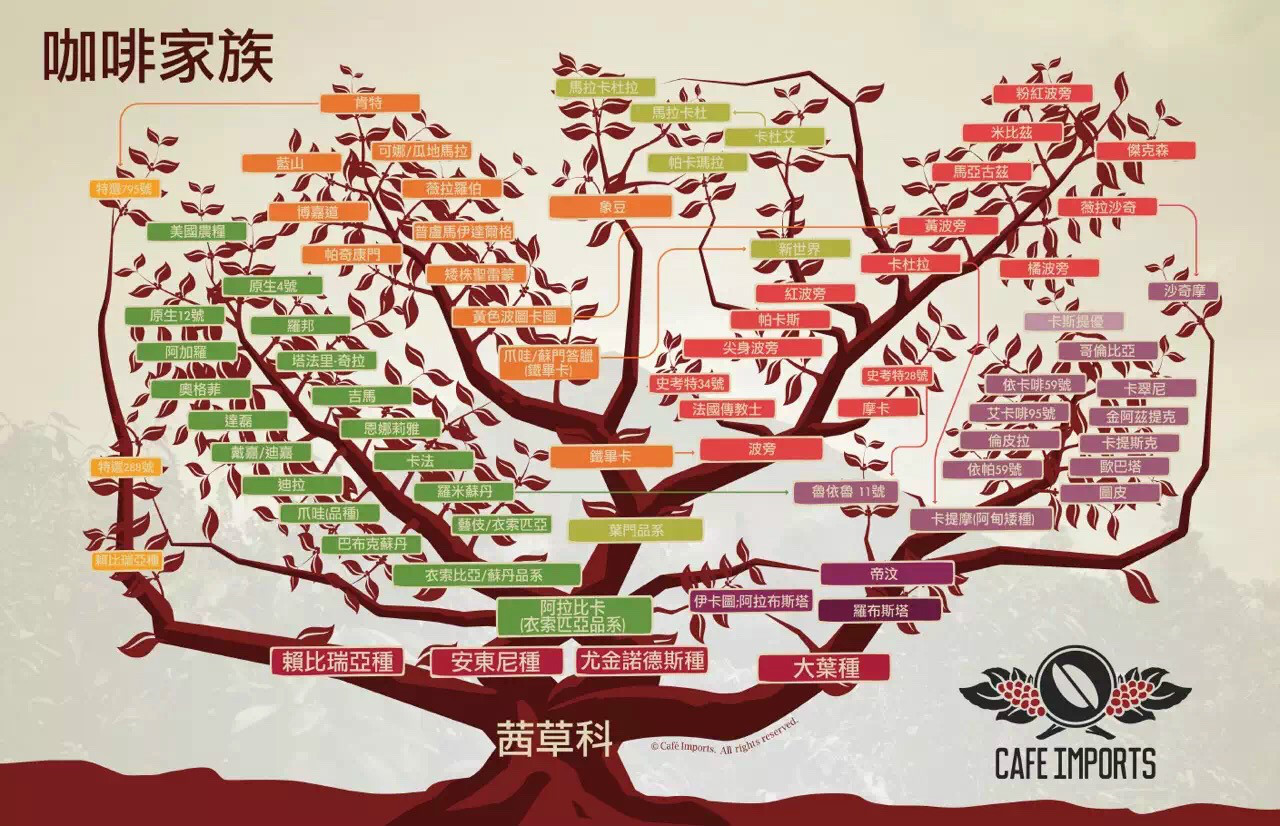
Some varieties are derived from natural genetic mutations, while others are the products of artificial cross breeding or acquired breeding of native species. Arabica species are self-pollinating plants, and their genetic lineage should be quite pure. But the Tibika species and the bourbon species were taken to new countries successively, and the exotic climate conditions led to natural genetic mutations.

What kinds of Coffee trees are planted | Coffee flavor characteristics of coffee species
Professional coffee knowledge exchange more coffee bean information please follow the coffee workshop (Wechat official account cafe_style) Arabica (Arabica): first-class flavor and aroma of premium coffee beans Arabica is a representative variety of origin in Ethiopia, in South Africa, Africa, Asia and other countries also have production, accounting for 70% / 75% of the world's coffee production. Arabica is concerned about illness.

A hybrid of Arabica and Robusta [Catimor] Katimo
The exchange of professional baristas please pay attention to the coffee workshop (Wechat official account cafe_style) the interspecific hybrid between Arabica and Robusta [Catimor] the hybrid between Katimo Caturra and Timor. It was discovered in Portugal in 1959. The palate is obvious and easy to distinguish, the bitter acid is a little astringent, the aftertaste is often salty, and there is low acidity in Robusta in the Timo family.

Is Katim Catimor Robusta or arabica coffee? Which species does Katim belong to?
Professional coffee knowledge exchange more coffee bean information please follow the coffee workshop (Wechat official account cafe_style) this coffee is Colombia National Coffee Research Center (Cenicaf) released in 2005 a new hybrid with Robusta gene is Robusta! Orz (do not know what is Robusta? Anyway, it's caffeine.
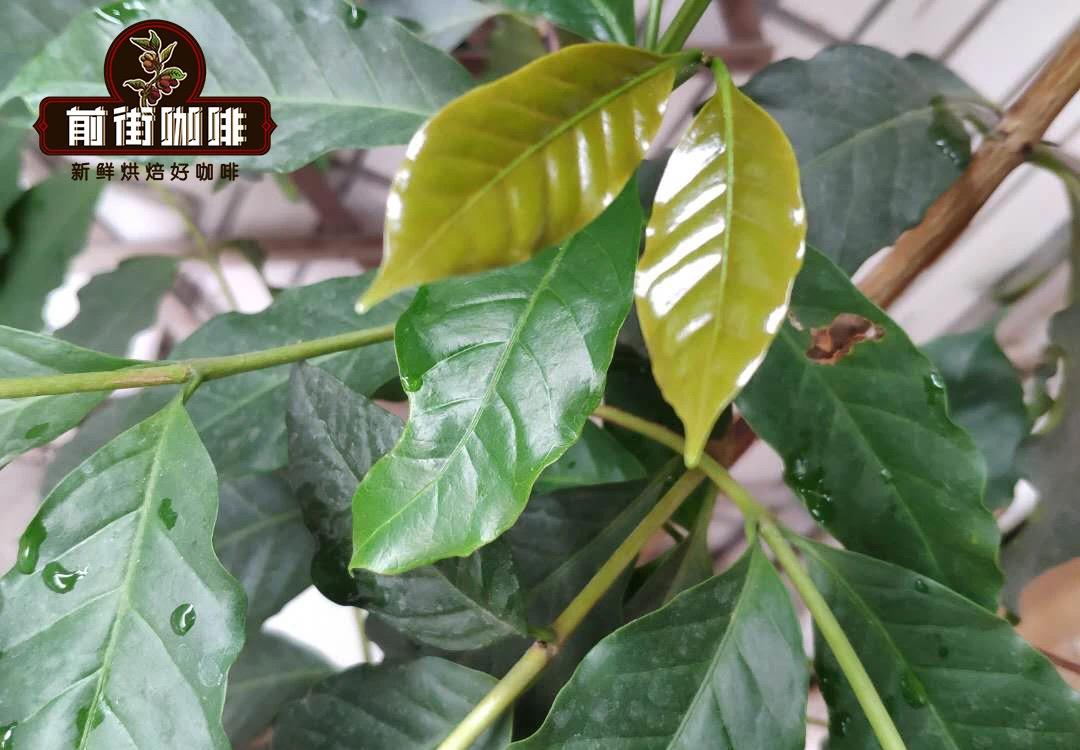
Historical and Cultural stories of three kinds of Coffee beans introduction to the Flavor characteristics of Arabica Coffee beans
Liberica (Liberica) Coffee is recognized as the third largest coffee variety in the coffee trade. It is also grown at low elevations. This kind of coffee is produced in Africa and is exported only to Europe. It is also a cheap coffee. It is very similar to Robus (Robusta). Robusta comes from a high yield and is not susceptible to disease.
A brief introduction to the Gene Mutants of Coffee species
Kenya [SL28] and [SL34]: French and British missionaries and researchers sifted in Kenya at the beginning of the 20th century

What are the Arabica coffee beans? how to cook Arabica coffee powder?
For more information on coffee beans, please follow the Coffee Workshop (official Wechat account cafe_style) Coffee trees are flowering plants of the genus Rubiaceae, ranging in size from small shrubs to 18 meters tall. Wild coffee species grow irregularly in the tropics, and new species are still being discovered. Strictly speaking, coffee belongs to
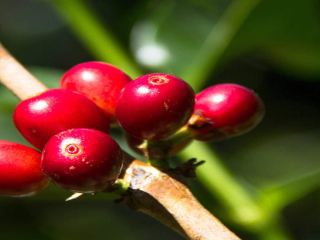
What are Robusta coffee beans? What's the difference between Arabica coffee and Robusta coffee?
What kind of coffee beans is Robusta, a natural variety of Robusta in West Africa, grown at lower elevations and higher temperatures. It basically includes the output of the rest of the world's coffee. Its coffee beans are small and round, but their caffeine content is nearly twice that of Arabica, and this high caffeine has become a pest-resistant day.

A hybrid between Arabica and Robusta & #61548; [Costa Rica 95 Cati]
The exchange of professional baristas please pay attention to the coffee workshop (Wechat official account cafe_style) interspecific hybrid variety [Costa Rica 95 Catimor] Timor hybrid from Arabica and Robusta hybrid 832 Catimor 1 and Caturra. The ICAFE Coffee Institute in Costa Rica was selected by genealogy and bred. Short, brown top, high yield, small and medium-sized beans

Comparison of parameters between Arabica and Robusta Coffee
Coffee beans are the seeds of Rubiaceae Family, under which there are at least 25 main varieties of the genus Coffea Genus.
Icatu
Icatu: Masterpiece of Brazilian multi-generation hybrid improved varieties. Arabusta, a hybrid Arabica and robusta, has improved yields and resistance to leaf rust in the past, but coffee flavor has been poor. Scientists then used Arabica varieties such as Arabica and Kadura, New World and Bourbon for multiple generations to reduce the bad taste of Robusta year by year and improve

Introduction and nomenclature of various rare coffee varieties
Acai: a rare Mundo Novo mutation found mainly in Brazil. Anacafe 14: a spontaneous Catimor-Pacamara hybrid further developed and released by Anacafe in 2014. This variety is considered to be rust-proof and produces high cup quality. Anton sari (Andong Sari): products developed by popular Catimor from Colombia to Indonesia
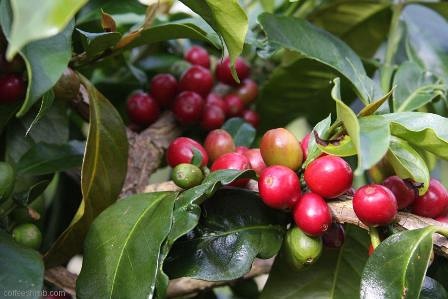
Coffee Variety Daquan | introduction of ancient coffee varieties, introduction of native and mutant species and special flavor
Coffee has more than a hundred varieties of coffee, the more common coffee are: Arabica Arabica, outstanding personality, unique flavor, is the main force of boutique coffee, mainly used for coffee shop management and high-end coffee market supply; Robusta Robusta, rough flavor, high caffeine content, not boutique coffee, often used for instant coffee processing and Italian coffee mixed beans. Ethiopia Typi

Coffee production in China
The vast majority of coffee in China comes from southwestern Yunnan Province and is limited to Arabica, a cross between Arabica and Robusta, called Katim.
Arabica coffee bean variety iron pickup coffee bourbon coffee Rosa coffee which tastes better
Professional coffee knowledge exchange more coffee bean information please follow the origin of coffee in coffee workshop (Wechat official account cafe_style) Coffee: Africa is currently recognized as the birthplace of coffee the world's first coffee tree was found in the KAFFA province of Ethiopia in Africa. Local indigenous tribes often grind the fruit of coffee and knead it with animal fat to make Xu.

Practical information | Coffee genealogy collation
Coffea / Coffee consists of more than 120 species, usually opposite leaves, evergreen shrubs or small trees with horizontal branches. Contains opposite species, one side is flat, and the other side has grooves (right! It's coffee beans! ). Tropical forests are the preferred habitat for most coffee plants. There are about 60 coffee plants in the world.

What kinds of espresso do Starbucks have
Professional coffee knowledge exchange more information about coffee beans Please follow the coffee workshop (Wechat official account cafe_style) Coffee types details: Acai: a rare Mundo Novo mutation found mainly in Brazil. Anacafe 14: a spontaneous Catimor-Pacamara hybrid further developed and released by Anacafe in 2014. This variety is considered to be rustproof, and

Details of coffee varieties and relationships between coffee species
Professional barista exchanges, please pay attention to coffee workshop (Weixin Official Accounts cafe_style ) Acai: rare Mundo Novo mutation mainly found in Brazil. Anacafe 14: Spontaneous Catimor-Pacamara hybrid further developed and released by Anacafe in 2014. This variety is considered rust resistant and has high cup quality yield. Andong Sari: I'm sorry

What are the kinds of coffee beans?-is Katim Arabica or Robusta complicated?
Professional coffee knowledge exchange more coffee bean information please follow the coffee workshop (Wechat official account cafe_style) front street-Katim varieties introduce the smell of raw beans, originally only green faint fragrance, roasted to produce the unique aroma of coffee. According to the report, this special aroma is composed of more than 700 aroma components. And these ingredients are baked.
The difference between Arabica and Robusta coffee species
Following Cafe Review (Wechat official account vdailycom) found that the coffee tree in the beautiful cafe opened a small shop of its own. The main types of coffee trees are Coffee Arabica and Coffee Robusta. The leaves of Arabica are about 15 cm long. Robasda's leaves are long, soft-oval or pointed, and bright green in color. The Liberian species are not tolerant because of their poor flavor.